
What Are Essential Oils? Types, Uses and How They Are Produced
Learn what essential oils are, the main types and how they are produced, plus what business buyers should check before sourcing them in bulk.
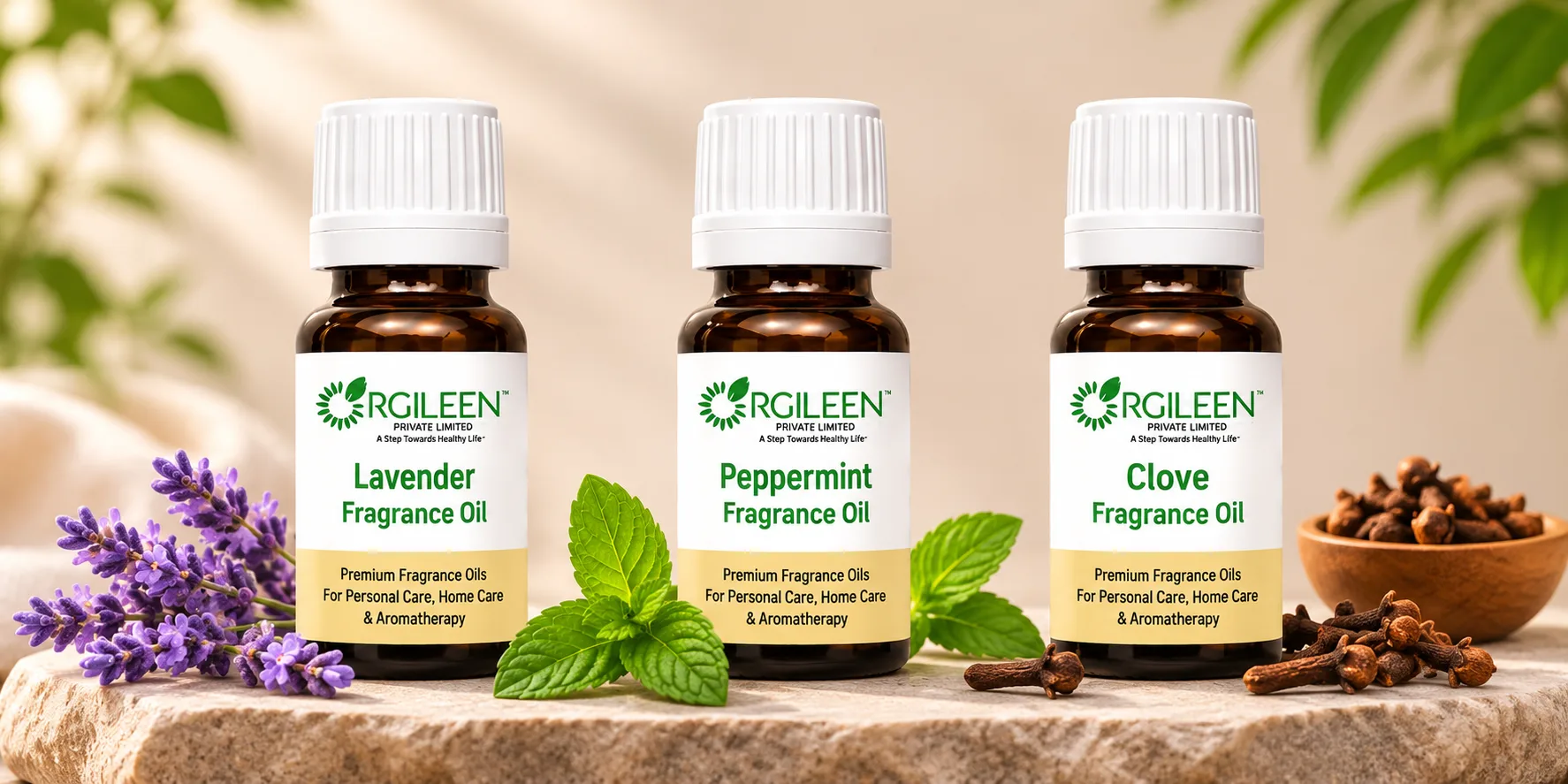
Essential oils are concentrated aromatic ingredients obtained from plants. They are used in personal care, cosmetics, fragrances, candles, soaps, home care and many other formulations, and they are a core raw material for manufacturers, formulators and brand owners. For a business buyer, though, "essential oil" is not a single product. The botanical source, the plant part, the extraction method and the documentation all affect what an oil is and where it can be used. This guide explains what essential oils are, the main types, how they are produced, and what to check before sourcing them in bulk.
What Are Essential Oils?
Essential oils are volatile, aromatic liquids found in certain parts of aromatic plants, including leaves, flowers, buds, bark, roots, seeds and fruit peels. "Volatile" means the aromatic compounds evaporate readily at room temperature, which is why these oils have a strong, characteristic scent. The oil carries the aroma of the plant it comes from, and each oil has its own composition of natural aromatic compounds.
Essential oils are very different from carrier oils, such as almond, coconut or jojoba oil. Carrier oils are fatty oils that are not strongly aromatic and are typically used as a base or diluent. Essential oils are concentrated, strongly scented and used in small quantities. Essential oils are also different from fragrance oils, which are blended or synthetic aroma materials made for scent performance rather than extracted directly from a single plant.

Where Do Essential Oils Come From?
Different plants store their aromatic compounds in different parts. The plant part used is one of the first things to confirm, because the same plant can give different oils depending on which part is processed. Some common examples:
- Leaves and aerial parts: peppermint, rosemary, eucalyptus and tea tree.
- Flowers: lavender, jasmine and ylang ylang.
- Buds, bark and stems: clove and cinnamon, depending on the product.
- Grasses: citronella and lemongrass.
- Roots and rhizomes: ginger and vetiver.
- Seeds: products such as cardamom and coriander.
- Fruit peels: citrus oils such as orange and lemon.
Climate, soil, harvest time and plant variety can all influence the aroma and composition of the finished oil, which is why batch-to-batch documentation matters.
How Are Essential Oils Produced?
There is more than one way to obtain an essential oil. The right method depends on the plant material and the properties of its aromatic compounds.
Steam distillation
Steam distillation is one of the most widely used methods. Steam passes through suitable plant material and carries volatile aromatic compounds with it. The vapour is cooled in a condenser, and the resulting liquid separates into essential oil and an aqueous phase. It is commonly used for leaves, flowers, buds, roots and seeds. Not every essential oil is produced this way.
Cold pressing (mechanical expression)
Citrus peel oils, such as orange, lemon and lime, are commonly obtained by mechanically pressing or expressing the peel, rather than by distillation.
Other methods
Some delicate materials are processed by other methods, such as solvent extraction, which produces products like absolutes and concretes. These are used in fragrance work, and they are generally described by their own names rather than simply as essential oils. Always check how a specific product is classified and made.
Common Types of Essential Oils and Their Typical Uses
The table below gives a general overview. Actual suitability always depends on the specific product, your formulation and the regulations in your market.
| Essential oil | Typical plant part | Commonly associated with |
|---|---|---|
| Peppermint | Leaves and aerial parts | Fresh, minty aroma in personal care, oral care and home care |
| Lavender | Flowering tops | Floral, herbal aroma in cosmetics, soaps and candles |
| Clove | Buds, leaves or stems | Warm, spicy aroma in fragrance and flavour-related applications |
| Citronella | Grass | Fresh, citrus-grassy aroma in candles and home care |
| Rosemary | Leaves and flowering tops | Herbal aroma in personal care and hair care formulations |
| Orange | Fruit peel | Fresh citrus aroma in soaps, cleaners and fragrance blends |
How Are Essential Oils Used in Products?
Because they are concentrated, essential oils are used at low levels and are usually blended into a larger formulation. Typical business uses include:
- Cosmetics and personal care: creams, lotions, shampoos, soaps and balms, where the oil contributes aroma.
- Candles: as part of a scent system, subject to compatibility and burn testing.
- Soap making: for aroma, within safe and applicable usage limits.
- Home care: cleaners, room sprays and air care products.
- Fragrance and perfumery: as natural components in blends.
Essential oils are potent materials. Skin sensitivity, dilution and permitted usage levels vary by oil and by product type, so formulators should follow the relevant safety data and the regulations of their target market. Avoid making unsupported therapeutic claims about a finished product.
What Should Buyers Check When Sourcing Essential Oils?
When you buy essential oils for manufacturing, the name on the label is only the starting point. Before placing a bulk order, ask the supplier for:
- The botanical (Latin) name and the plant part used
- The extraction method
- Aroma profile and appearance
- Applicable technical specifications
- A Certificate of Analysis (COA), where available
- A Safety Data Sheet (SDS/MSDS)
- Packaging options, storage conditions and shelf life
- A sample, so you can test suitability for your own formulation
Comparing these details across suppliers gives you a more reliable basis for a decision than price alone.
How Should Essential Oils Be Stored?
Light, heat and air can change the aroma and quality of essential oils over time. In general, store them in tightly closed, suitable containers, away from direct sunlight and heat, and follow the storage guidance and shelf life given for each specific product.
Conclusion
Essential oils are aromatic plant extracts whose character depends on the plant, the plant part and the way they are produced. Knowing the basics, including the common types, the main production methods and the documents to request, helps buyers choose the right oil for the right application. Orgileen supplies a range of essential oils and other ingredients for business customers from Surat, Gujarat, India. You can explore the product range or request a quote with your intended application, required quantity and packaging preferences, and the team will help you identify suitable options.
Frequently Asked Questions
Are essential oils the same as fragrance oils?
No. Essential oils are obtained from plants. Fragrance oils are blended or synthetic aroma materials designed for scent performance and may not come from a single botanical source.
Are all essential oils made by steam distillation?
No. Steam distillation is common, but citrus peel oils are usually obtained by cold pressing, and some aromatic materials are processed by other methods.
What is the difference between an essential oil and a carrier oil?
An essential oil is a concentrated, volatile aromatic extract used in small amounts. A carrier oil is a fatty plant oil with little aroma, used as a base or diluent in formulations.
Can I request a sample before a bulk order?
Sample availability depends on the product. Contact the team through the quote request page with your requirements to discuss samples and documentation.