
Understanding Lemongrass Essential Oil: Benefits, Uses and Quality
Discover how lemongrass essential oil is produced, its common applications, and the quality factors businesses should consider when sourcing essential oils for commercial use.
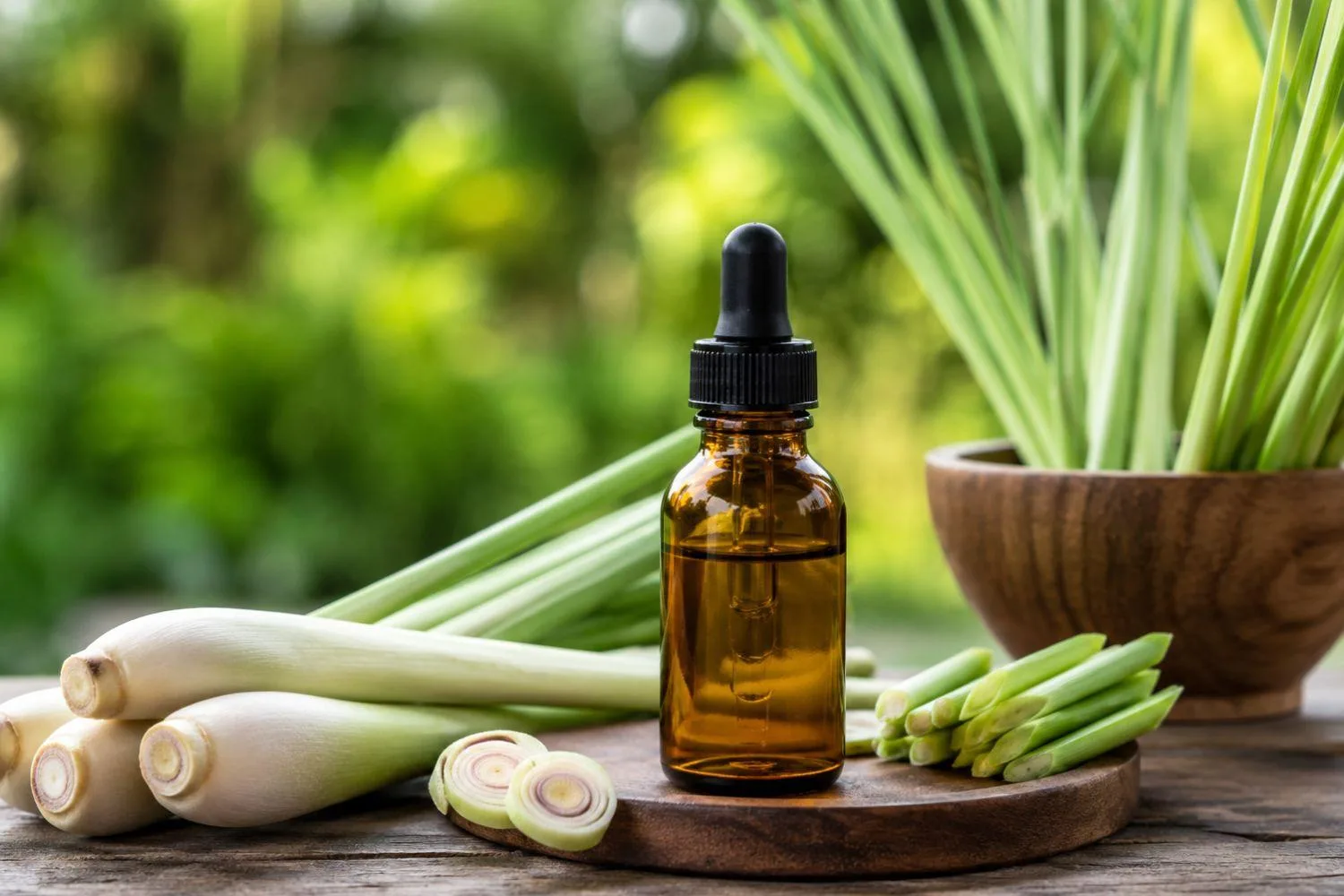
Understanding Lemongrass Essential Oil: Benefits, Uses and Quality
Lemongrass essential oil is a widely used botanical ingredient valued for its fresh, citrus-like aroma. It is used in fragrance formulations, personal care products, home-care applications and various industrial formulations.
For manufacturers and ingredient buyers, understanding its sourcing, production and quality parameters is essential when selecting a reliable supplier.
What Is Lemongrass Essential Oil?
Lemongrass essential oil is generally obtained from the leaves of lemongrass through steam distillation. Its characteristic aroma and chemical composition can vary depending on the plant variety, growing conditions, harvesting practices and distillation process.
The oil is commonly evaluated for its physical characteristics, aroma profile and relevant quality specifications.
Common Applications
Personal Care and Cosmetics
Lemongrass oil is used as a fragrance ingredient in selected personal care and cosmetic formulations. Product developers should assess formulation compatibility and applicable safety requirements before use.
Fragrance and Home Care
Its fresh, citrus-like scent makes it useful in fragrance blends and certain home-care formulations. Suitability depends on the intended application and the finished product's formulation requirements.
Industrial Ingredient Sourcing
Businesses sourcing botanical oils should consider consistency, documentation, traceability, packaging and supplier reliability alongside price.
How to Evaluate Essential Oil Quality
When sourcing lemongrass essential oil, consider these important factors:
- Identity and authenticity: Request appropriate documentation to verify the botanical identity and product specifications.
- Quality testing: Review available certificates of analysis and relevant analytical results.
- Batch consistency: Check whether the supplier maintains consistent specifications between batches.
- Storage and packaging: Confirm that packaging is suitable for protecting the oil during storage and transportation.
- Traceability: Ask about batch identification, sourcing information and applicable quality-management practices.
Choosing a Reliable Botanical Ingredient Supplier
A reliable supplier should provide clear product specifications, appropriate technical documentation, consistent communication and support throughout the procurement process.
Before placing a commercial order, buyers should confirm the intended application, required specifications, packaging format and applicable regulatory requirements.
Conclusion
Lemongrass essential oil is a versatile botanical ingredient used across fragrance, personal care and other formulation categories. Careful supplier evaluation and documented quality checks help businesses make informed sourcing decisions.
Contact our team to discuss your botanical ingredient requirements and request product specifications.
Note: This is sample content for testing the blog CMS. Product suitability, specifications and claims should be independently verified before commercial publication.